

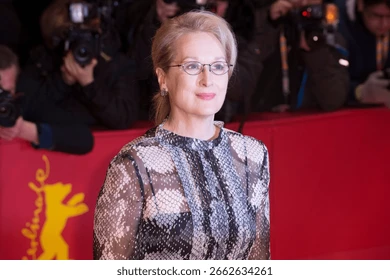
Meryl Streep is universally considered the greatest actress of her generation — possibly of all time. With three Academy Awards and 21 nominations, her record is untouchable. Yet for decades, even Streep could not escape Hollywood’s most shameful open secret: the gender pay gap.
When Streep first rose to prominence in the late 1970s, studios routinely paid female leads a fraction of what their male counterparts earned. A female star might command $3 million for a film while her co-lead pocketed $15 million for the same amount of screen time and identical box office draw. The disparity was not hidden — it was simply accepted as industry standard.
Streep tolerated this system for years, as most actresses did. Speaking out meant being labelled difficult. It meant losing roles. It meant watching younger, more compliant actresses take your place. Hollywood’s machine was designed to silence women who questioned the economics of their own careers.
But everything changed when Streep reached a level of fame that made her untouchable. In the 2000s, she began negotiating her contracts differently. She brought in lawyers who specialized in entertainment equity cases. She refused to accept first offers. She walked away from projects where the pay gap was egregious, even when those projects were prestigious and tempting.
Then in 2015, the Sony email hack changed everything for everyone. Internal emails revealed in devastating detail how female stars — including Jennifer Lawrence and Amy Adams — were paid significantly less than male colleagues on the same films. The data was impossible to ignore.
Streep used her platform to speak openly about what she had privately experienced for decades. She testified, gave interviews, and most powerfully, used her institutional influence to push studios toward equity audits. She became an advocate not just for herself but for actresses with far less leverage than she possessed.
The results were measurable. Several major studios introduced pay transparency policies in the years following. Actresses began publicly disclosing their salaries and demanding written equity clauses in contracts. The Screen Actors Guild strengthened its equal pay language.
What Streep demonstrated was that the solution to systemic inequality is not patience — it is power, strategically applied. She waited until she had enough leverage to use it effectively, and then she did. Young actresses entering Hollywood today benefit from battles fought quietly and then loudly by women like her.
The gender pay gap in Hollywood has not been eliminated. Recent studies suggest female leads still earn substantially less than male counterparts in comparable films. But the silence has been broken, the numbers are public, and the conversation is irreversible. Meryl Streep did not fix Hollywood. But she helped make it impossible for Hollywood to pretend the problem did not exist.