

American grocery shopping presents unique characteristics, customs, and complexities that can bewilder newcomers accustomed to different shopping cultures. From massive warehouse stores to organic specialty chains, understanding the American grocery landscape helps you shop efficiently, save money, and navigate unfamiliar products and practices. This comprehensive guide explores everything you need to know about grocery shopping in the United States.
Understanding the American Grocery Landscape
American grocery stores range from massive hypermarkets combining groceries with general merchandise to small neighborhood markets specializing in specific communities or product types. Understanding different store categories helps you shop strategically based on your needs and budget.
Traditional supermarkets like Kroger, Safeway, Albertsons, and regional chains offer full grocery selections with weekly sales, loyalty programs, and moderate prices. These represent mainstream America’s primary shopping destination, averaging 40,000 to 60,000 square feet with comprehensive selections across all food categories.
Warehouse clubs – Costco, Sam’s Club, and BJ’s – require annual memberships ($60 to $120) but offer bulk quantities at significantly reduced per-unit prices. Bulk buying suits families, those with storage space, and shoppers willing to purchase large quantities. Individual items often come in multi-packs or restaurant-sized portions, requiring freezer space and planning.
Discount chains like Aldi and Lidl minimize costs through limited selection, no-frills presentation, and efficient operations. Expect to bag your own groceries, bring your own bags or purchase them, and potentially pay small cart deposits refunded upon return. Prices typically run 30-40% below traditional supermarkets for comparable items.
Premium chains like Whole Foods, Sprouts, and Trader Joe’s emphasize organic products, specialty items, and higher quality standards. Prices exceed traditional supermarkets, but unique products, prepared foods, and quality-focused shoppers justify premium costs for many customers.
Ethnic grocery stores – Hispanic markets, Asian supermarkets, Middle Eastern grocers – offer authentic ingredients, competitive produce prices, and familiar products for specific communities. These stores often provide better value for international ingredients than mainstream chains charging premium prices for “specialty” items.
Shopping Frequency and Habits
Americans typically shop weekly or biweekly, purchasing 7-14 days of groceries in single trips. Large refrigerators, home freezers, and pantry space facilitate bulk purchasing common in many other countries. This contrasts with daily or every-few-days shopping patterns common in cultures emphasizing freshness and smaller living spaces.
Weekend shopping is extremely popular, making Saturday and Sunday mornings peak times with crowded aisles and longer checkout lines. Shopping weekday evenings or early weekday mornings reduces crowds significantly.
Many Americans make quick “fill-in” trips between major shopping trips for fresh items like bread, milk, or produce. Convenience stores, though expensive, serve this purpose for time-pressed shoppers, while discount chains work well for planned fill-in visits.
Navigating Store Layouts
American supermarkets follow predictable layouts. Perimeter walls typically house fresh departments – produce, meat, dairy, bakery – where most whole, unprocessed foods reside. Center aisles contain packaged, processed, and shelf-stable items. This layout supports healthy shopping strategies: shop the perimeter primarily, venturing into center aisles only for specific staples.
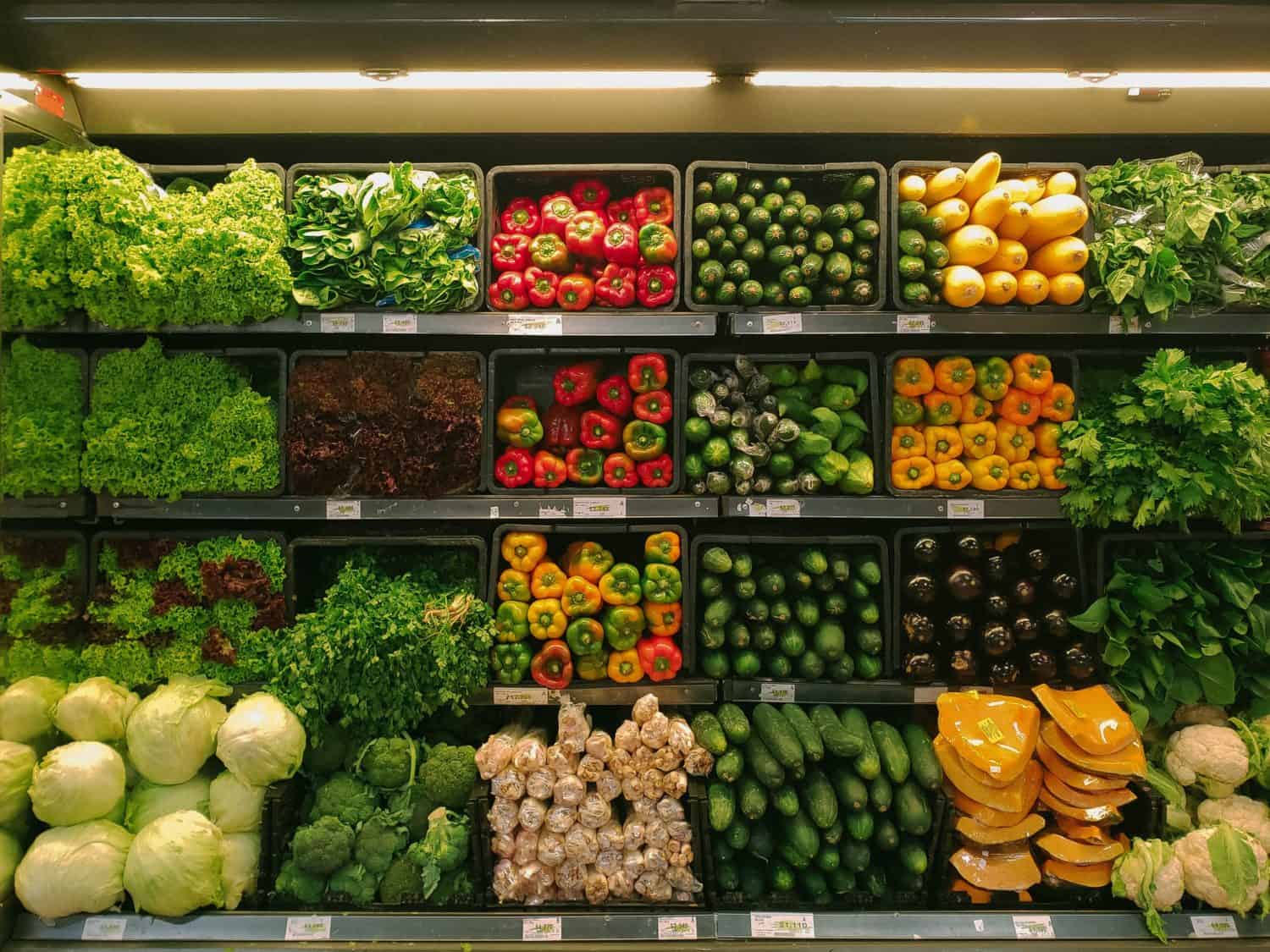
Produce sections typically appear first, creating positive impressions with fresh, colorful displays. End caps (aisle ends) feature promotional items often on sale, though not always best values. Checkout lanes display impulse items – candy, magazines, gum – at premium prices targeting last-minute purchases.
Store brands (private labels) typically stock middle shelves at eye level, with national brands occupying premium shelf positions. Lower and higher shelves often hold best value items and larger packages.
Understanding American Grocery Products
Package sizes in America often dwarf those in other countries. Cereal boxes, chip bags, and condiment bottles come in sizes seeming excessive to international shoppers. Refrigerator and pantry space accommodations support these larger packages, which offer better per-unit values.
Pre-packaged, convenience-oriented products dominate American grocery stores. Pre-cut vegetables, pre-washed salad mixes, ready-to-eat meals, and frozen entrees cater to time-pressed shoppers prioritizing convenience over cost. While expensive per pound, these items save preparation time for busy families.
American bread differs significantly from European styles, often sweeter and softer with extended shelf life through preservatives. Bakery departments sell fresh-baked breads more similar to international styles, though at higher prices than packaged breads.
Milk in America often comes in gallon jugs (3.78 liters) with multiple fat content options: whole (3.25% fat), 2% (reduced fat), 1% (low fat), and skim (fat-free). Ultra-pasteurized milk with extended shelf life is available but less common than in Europe.
American produce includes many items unfamiliar internationally, while some international staples may be rare or absent. Asian supermarkets, Hispanic markets, and international sections increasingly stock familiar items for diverse populations.
Mastering the Art of Sales and Coupons
Weekly sales form the backbone of American grocery savings strategies. Stores distribute paper circulars (flyers) and digital versions via apps showing current week’s sales. Strategic shoppers plan menus around sale items, buying heavily when prices drop.
Coupons remain popular though declining with digital alternatives. Manufacturers issue coupons via newspapers, store apps, and websites like Coupons.com. Extreme couponing – combining multiple coupons and sales to minimize costs – has gained cultural prominence, though most shoppers use coupons moderately.
Store loyalty cards offer digital coupons, personalized deals, fuel discounts, and sale prices unavailable without cards. These free programs track purchase history to offer targeted promotions while providing stores valuable consumer data. Most serious shoppers maintain loyalty cards for their primary stores.
Buy-one-get-one (BOGO) promotions, common in American stores, offer tremendous value for items you regularly use with adequate storage. Many stores allow “splitting BOGOs” – buying just one item at half price rather than requiring two purchases.
“Loss leaders” – items priced below cost to attract customers – appear in weekly ads. Stores hope customers buy regular-priced items alongside deeply discounted loss leaders. Smart shoppers buy only the loss leaders, though this requires shopping multiple stores.
Payment Methods and Checkout Customs
Americans predominantly use credit and debit cards for grocery shopping, with contactless payment and mobile wallets increasingly common. Cash usage has declined significantly, though all stores accept it. Personal checks, once common, are increasingly rare.
Many stores offer self-checkout lanes for customers scanning and bagging their own items. These work well for small trips but can frustrate shoppers with large carts or alcohol purchases requiring staff verification.
Bagging customs vary. Traditional stores employ baggers who pack purchases and may carry them to cars. Discount stores like Aldi require self-bagging. Most stores provide plastic bags free (though some cities and states ban or charge for them), while reusable bag usage is growing, particularly in environmentally conscious areas.
Electronic Benefits Transfer (EBT) cards for SNAP (food stamps) and WIC (Women, Infants, Children) benefits are widely accepted, with specific eligible items marked in stores.
Shopping Strategies for Maximum Value
Shopping warehouse clubs saves money for families or those with storage space. Annual memberships pay for themselves quickly through savings on frequently purchased items. Strategic warehouse shopping focuses on non-perishables, freezer items, and household goods with long shelf lives.
Price comparison apps like Flipp show sales across multiple stores, helping identify best deals without visiting each location. Unit pricing labels (price per ounce or pound) enable fair comparisons between different brands and sizes.
Generic/store brands typically cost 20-40% less than name brands with comparable quality for many items. Trying store brands on non-critical items helps identify acceptable alternatives to name brands.
Buying seasonal produce dramatically reduces costs. Summer berry prices might be half winter prices, while autumn brings cheap pumpkins and squash. Frozen vegetables and fruits offer year-round value and retain nutritional content.
Shopping after holidays captures clearance deals on themed items. Post-Thanksgiving sales on baking supplies, post-Easter candy discounts, and post-Fourth of July grilling supplies offer substantial savings.
The Best Street Food Spots in Dubai That Locals Actually Eat At
Special Shopping Considerations
Food safety standards in America differ from some countries. Eggs require refrigeration due to washing processes removing protective coatings. Milk and dairy products must stay refrigerated. Best-by dates indicate quality peaks rather than strict safety deadlines, though perishables require careful attention.
Organic and natural products have grown dramatically, now available in most supermarkets beyond specialty stores. USDA Organic certification ensures specific standards, though “natural” labels carry no regulated meaning.
Prepared food sections in American supermarkets have expanded significantly, offering hot bars, salad bars, sushi, and full deli sections. While convenient, per-pound prices for prepared foods often exceed cooking from scratch.
International food aisles in mainstream supermarkets stock “ethnic” items, though often at premium prices compared to specialty ethnic markets. Large immigrant populations support thriving ethnic grocery sectors with authentic ingredients at better values.
Online Grocery Shopping and Delivery
Online grocery shopping has exploded, particularly post-pandemic. Services like Instacart, Amazon Fresh, and store-specific apps deliver groceries to your door. Delivery fees ($5 to $15) plus tips ($5 to $20) add costs, but convenience and time savings appeal to busy households.
Curbside pickup – ordering online and retrieving from store parking lots – eliminates delivery fees while maintaining convenience. Most major chains offer free pickup with minimum orders ($30 to $50).
Subscription services like Amazon Subscribe & Save offer recurring delivery of household staples at discounted prices, convenient for regularly used items like coffee, pet food, or cleaning supplies.
Adapting Successfully
Successfully navigating American grocery culture requires understanding store types, mastering sales and loyalty programs, learning product differences, and developing efficient shopping strategies aligned with your budget and lifestyle.
The American grocery landscape offers incredible variety, competitive pricing when shopping strategically, and convenience options for every preference. While initially overwhelming, most newcomers quickly adapt, developing efficient shopping routines that balance cost, quality, and convenience according to their personal priorities and circumstances.