

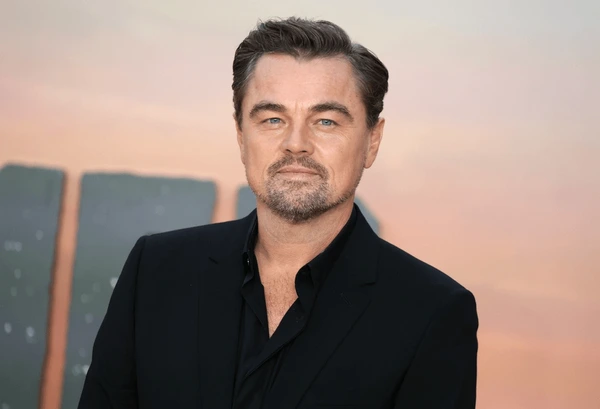
On the night of February 28, 2016, Leonardo DiCaprio finally walked to the stage of the Dolby Theatre in Hollywood to accept the Academy Award for Best Actor. He had been nominated five times before. He had watched the award go to other men on five separate occasions. The wait had lasted twenty-two years.
The cultural mythology around DiCaprio’s Oscar drought became a running joke, then a genuine cultural phenomenon, then something more uncomfortable — a referendum on whether the Academy truly recognized talent or rewarded a more complex set of social and political factors.
His first nomination came in 1994 for What’s Eating Gilbert Grape, when he was nineteen years old. He played Arnie Grape, a young man with intellectual disabilities, with a naturalism that shocked audiences and critics alike. Tom Hanks, who won that year for Philadelphia, has spoken about seeing DiCaprio’s performance and feeling genuine awe.
The drought that followed was not for lack of performance. The Aviator in 2004 produced a portrayal of Howard Hughes that many consider one of the great biographical performances in cinema history. Blood Diamond in 2006 featured physical transformation and emotional depth. The Wolf of Wall Street in 2013 was a four-hour exhibition of committed, fearless acting.
Part of the problem was timing. DiCaprio was consistently competing in strong years — years when consensus aligned around a different performance. Part of it was his own celebrity; the Academy has a complicated relationship with actors who are more famous than the films they appear in.
But there is another dimension that deserves acknowledgment. DiCaprio’s wealth and fame insulated him from the career desperation that sometimes drives actors toward their most transformative work. He had the freedom to be selective, which meant his choices were often brilliant but occasionally too controlled. Audiences sensed an actor managing his image even while delivering objectively excellent performances.
The Revenant, the film that finally won him the award, required something different: genuine physical suffering. DiCaprio slept in animal carcasses, ate raw bison liver, filmed in extreme cold for months. The performance had a rawness that his polished earlier work sometimes lacked.
The irony is that the Oscar came for a film that was more physically grueling than emotionally complex — not necessarily his finest artistic achievement. Many film critics argue The Aviator or The Wolf of Wall Street represented higher artistic achievement.
What the twenty-two-year wait ultimately revealed was less about DiCaprio’s talent, which was never in serious question, and more about the Academy’s complicated relationship with actors who exist at the intersection of art and commerce. He was too famous, too handsome, too successful for the institution to reward comfortably — until his suffering in a frozen Canadian wilderness finally made him seem vulnerable enough.