

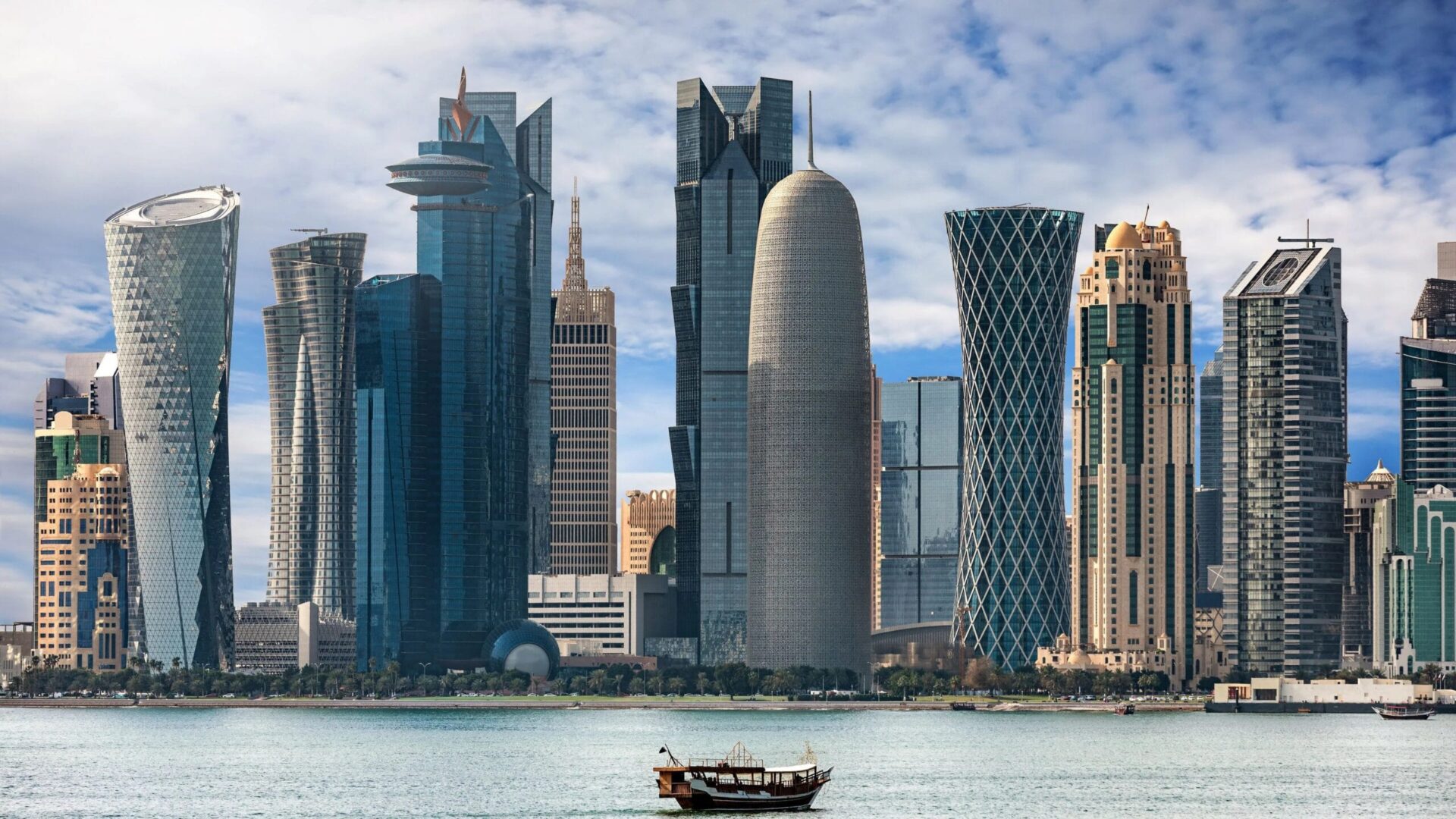
Qatar’s energy sector stands as one of the world’s most dynamic and lucrative career destinations, driven by the nation’s position as the world’s largest liquefied natural gas (LNG) exporter and its ambitious plans for sustainable energy development. With massive infrastructure investments, technological innovation, and strategic expansion initiatives, Qatar’s energy industry offers exceptional opportunities for professionals seeking high-paying, long-term careers in a stable, tax-free environment.
Qatar’s Energy Sector Landscape
Qatar’s hydrocarbon wealth forms the backbone of its economy, with the North Field – the world’s largest single non-associated natural gas reservoir – containing approximately 10% of global proven natural gas reserves. This massive resource base ensures decades of sustained activity and career opportunities in exploration, production, processing, and export operations.
QatarEnergy, the state-owned energy company formerly known as Qatar Petroleum, operates as one of the world’s premier integrated oil and gas companies. Its operations span the entire value chain from upstream exploration and production through midstream processing and liquefaction to downstream petrochemicals and international marketing.
The North Field Expansion project, the world’s largest LNG project, exemplifies Qatar’s ambition. This massive undertaking will increase Qatar’s LNG production capacity from 77 million tons per year to 126 million tons by 2027, creating thousands of jobs across engineering, construction, operations, and support services.
High-Demand Career Paths
Petroleum engineers represent the sector’s most sought-after professionals, with specializations in reservoir engineering, drilling engineering, and production engineering commanding premium salaries. Entry-level petroleum engineers with relevant degrees from recognized universities start at approximately QAR 20,000 to 30,000 monthly ($5,500 to $8,200), rapidly progressing to QAR 50,000 to 70,000 with 5-7 years experience.
Senior petroleum engineers and technical specialists earn QAR 80,000 to 120,000 monthly, while department heads and technical directors command even higher compensation. These positions typically require advanced degrees, relevant certifications from bodies like the Society of Petroleum Engineers, and demonstrated technical expertise in specialized areas.
Process engineers working in Qatar’s massive LNG trains and petrochemical facilities earn competitive salaries ranging from QAR 25,000 for entry positions to QAR 60,000 to 90,000 for senior process engineers with plant operations experience. Familiarity with industry-standard software like Aspen HYSYS, AVEVA, or Honeywell systems enhances marketability.
Project managers overseeing major capital projects earn exceptional compensation reflecting their critical responsibilities. Construction project managers typically earn QAR 50,000 to 100,000 monthly depending on project scale and complexity. Mega-project directors managing billion-dollar investments command QAR 120,000 to 200,000 monthly plus performance bonuses.
QatarEnergy and Major Industry Players
QatarEnergy offers career stability, comprehensive benefits, and structured professional development programs. The company’s Qatarization initiative focuses on developing Qatari national talent while maintaining strong expatriate workforce participation in specialized and senior technical roles.
International joint venture partners including ExxonMobil, Shell, TotalEnergies, and ConocoPhillips maintain significant operations in Qatar, offering alternative career paths with global companies. These organizations often provide international rotation opportunities, extensive training programs, and potential for global career development.
Engineering, procurement, and construction (EPC) contractors like Chiyoda, Technip Energies, and Saipem maintain major presences supporting Qatar’s expansion projects. These companies offer dynamic environments with exposure to cutting-edge technologies and fast-track career progression for high performers.
Oil services companies including Schlumberger, Halliburton, and Baker Hughes provide drilling, well services, and technical support, creating opportunities for field engineers, drilling specialists, and technical service professionals. These roles often involve offshore rotations and field assignments offering additional allowances beyond base compensation.
Specialized Opportunities in LNG Technology
Qatar’s LNG sector leadership creates unique opportunities for professionals specializing in liquefaction technology, cryogenic processes, and gas treatment systems. LNG plant operators with relevant certifications earn QAR 18,000 to 35,000 monthly depending on experience and qualifications.
Instrumentation and control engineers maintaining sophisticated plant automation systems earn QAR 30,000 to 60,000 monthly. Expertise in distributed control systems (DCS), safety instrumented systems (SIS), and advanced process control (APC) significantly enhances career prospects.
Maintenance engineers and reliability specialists ensuring continuous operations of critical equipment earn QAR 25,000 to 55,000 monthly. Certifications in reliability-centered maintenance (RCM), vibration analysis, or thermography add value to these roles.
Health, Safety, and Environmental Careers
Qatar’s energy sector prioritizes HSE (health, safety, and environment) excellence, creating substantial demand for qualified HSE professionals. HSE managers in major facilities earn QAR 40,000 to 80,000 monthly, while HSE directors command QAR 90,000 to 150,000 monthly.
Environmental engineers focusing on emissions reduction, waste management, and sustainability initiatives earn QAR 30,000 to 60,000 monthly. Qatar’s commitment to environmental stewardship and carbon reduction creates growing opportunities in environmental management and clean energy technologies.
Safety engineers and industrial hygiene specialists earn QAR 25,000 to 50,000 monthly. Professional certifications like Certified Safety Professional (CSP), Certified Industrial Hygienist (CIH), or NEBOSH International Diploma significantly enhance marketability and compensation.
Emerging Opportunities in Renewable Energy
Qatar’s energy diversification strategy increasingly incorporates renewable energy development, particularly solar power. The Al Kharsaah Solar Power Plant and planned expansions create opportunities for renewable energy engineers, solar technology specialists, and grid integration experts.
Carbon capture, utilization, and storage (CCUS) initiatives present emerging career paths. Engineers and scientists specializing in CO2 capture technologies, geological storage, and utilization processes are increasingly sought after as Qatar pursues its sustainability commitments.
Hydrogen economy development, particularly blue hydrogen production leveraging Qatar’s natural gas resources with carbon capture, represents a growing opportunity area. Chemical engineers, process designers, and project developers with hydrogen expertise position themselves advantageously for these emerging roles.
Professional Development and Certification
Advancing in Qatar’s energy sector requires continuous professional development. Professional certifications significantly enhance career prospects and compensation. The Professional Engineer (PE) license, though US-based, is widely recognized and valued, particularly in design and engineering consultancy roles.
Project Management Professional (PMP) certification benefits project engineers and managers seeking advancement into project leadership roles. Energy industry-specific certifications like Certified Energy Manager (CEM) or Certified Petroleum Engineer (CPE) demonstrate specialized expertise.
Advanced degrees, particularly master’s degrees in petroleum engineering, chemical engineering, or energy management from recognized institutions, accelerate career progression. Many employers support continuing education through tuition reimbursement or study leave programs.
Compensation and Benefits Packages
Energy sector compensation in Qatar ranks among the world’s highest, enhanced by tax-free income. Total packages typically include base salary, housing allowance (usually 25-35% of base salary), annual return airfare, performance bonuses, and end-of-service gratuity.
Comprehensive family benefits often include children’s education allowances covering international school fees, family health insurance, and relocation assistance. Senior positions may include vehicle allowances, club memberships, and additional benefits.
Work schedules vary by role. Office-based positions typically follow standard Monday-Friday schedules, while operational roles may involve shift work or offshore rotations. Offshore positions typically work rotational schedules like 28 days on/28 days off, with enhanced compensation for rotation work.
The Best Street Food Spots in Dubai That Locals Actually Eat At
Navigating Qatar’s Job Market
Securing energy sector positions in Qatar typically involves direct applications through company career portals, recruitment agencies specializing in oil and gas placements, or professional networking. Major recruitment firms like Brunel, Oil & Gas Job Search, and Airswift regularly place professionals in Qatar.
Professional networking through LinkedIn, industry conferences, and professional societies like SPE Qatar Section opens doors to opportunities. Many positions are filled through referrals and professional networks before public advertisement.
Understanding Qatarization requirements is important. While technical and specialized roles remain open to expatriates, companies must demonstrate efforts to develop Qatari talent. Positions requiring unique expertise or senior technical specializations typically remain accessible to qualified international professionals.
Long-Term Career Prospects
Qatar’s energy sector offers exceptional long-term career prospects supported by decades of proven reserves, massive infrastructure investments, and strategic expansion plans. The combination of high compensation, professional development opportunities, job stability, and tax-free income makes Qatar’s energy sector one of the world’s most attractive career destinations.
Success requires technical excellence, relevant qualifications, continuous professional development, and cultural adaptability. For qualified professionals willing to embrace Qatar’s unique work environment and contribute expertise to one of the world’s premier energy sectors, the rewards – both financial and professional – are substantial and sustainable.