

Introduction to Dubai’s Real Estate Market
Dubai’s real estate market has gained global attention due to its rapid development and impressive growth trajectory. As a vibrant hub for tourism, finance, and trade, the city has cultivated an environment that attracts not only residents but also international investors eager to tap into its lucrative rental opportunities. This unique allure stems from various factors contributing to the heightened demand for rental properties within the emirate.
One major contributing element driving the real estate sector is the robust economic growth witnessed in recent years. The diversification of the economy, particularly in sectors such as technology, tourism, and renewable energy, has reinforced investor confidence and spurred development. As these sectors continue to expand, they create a need for increased housing options, further stimulating the rental market.
Additionally, tourism plays a crucial role in shaping the dynamics of Dubai’s real estate. The city hosts millions of visitors annually, drawn by its luxurious lifestyle, world-class attractions, and year-round sunshine. This influx of tourists heightens the demand for short-term rental properties, encouraging property owners to explore opportunities within this niche market.
Moreover, Dubai’s strategic position as a gateway to the Middle East enhances its appeal to foreign investors. The ease of doing business, coupled with favorable regulations and tax incentives, has made the city a preferred destination for expatriates and investors alike. As a result, the continuous influx of foreign talent and investment has bolstered the rental property sector and contributed to the growth of a diverse and competitive marketplace.
In conclusion, the Dubai real estate market is characterized by its dynamic nature driven by economic growth, tourism, and foreign investments, all of which play critical roles in elevating the demand for rental properties and shaping the outlook of the sector.
Impact of COVID-19 on Rental Trends
The COVID-19 pandemic has significantly influenced rental trends in Dubai, reshaping the real estate sector in various ways. One of the most profound changes has been the shift in tenant preferences. Many individuals and families began to prioritize more spacious properties as remote work became the norm. Consequently, demand for larger apartments and villas in suburban areas increased, while interest in high-density urban living diminished.
Additionally, the financial repercussions of the pandemic led to noteworthy alterations in rental prices. Initially, the market experienced a decline due to the economic uncertainties and the exodus of expatriates. However, as the property market began to stabilize, certain regions saw a gradual uptick in rental prices, albeit at a slower pace compared to pre-pandemic levels. Landlords have become more willing to negotiate, often providing incentives such as rent-free periods or reduced rates to attract tenants.
Moreover, the pandemic has prompted a rise in flexible leasing options. Short-term leases and serviced apartments gained popularity for those uncertain about their long-term commitments, such as expatriates who either delayed moving or chose to return home during the crisis. This trend towards flexibility has given tenants more control over their living arrangements, responding to their changing needs. Real estate experts have noted that this adaptation towards short-term leases may continue beyond the pandemic, as the workforce becomes increasingly mobile and dynamic.
Overall, the impact of COVID-19 on rental trends in Dubai highlights a significant transformation in skills and preferences within the market. Landlords and property developers must remain attuned to these evolving demands in order to remain competitive in a post-pandemic environment.
Current Rental Market Statistics
The rental market in Dubai has exhibited significant fluctuations in recent years, reflecting broader economic conditions and emerging demand dynamics. As of the third quarter of 2023, the average rental prices for residential properties across Dubai have seen an upward trajectory, particularly in sought-after neighborhoods such as Dubai Marina, Downtown Dubai, and Jumeirah Lakes Towers. Recent data indicates that the rental prices for one-bedroom apartments in these locations average around AED 95,000 per year, representing a 10% increase from the previous year.
In terms of types of properties, demand continues to be robust for luxury apartments and villas, driven primarily by expatriates seeking quality living environments. This demand shift is also evident in the growing popularity of townhouses, especially among families, contributing to a notable rise in occupancy rates, which currently stand at approximately 85% across popular residential areas, indicating a tightening market. In contrast, older developments or those in less desirable locations are experiencing stagnant or declining rental prices.
A comparative analysis of the current statistics with historical data reveals an interesting trend: since 2020, rental rates have rebounded sharply following the initial impact of the pandemic. In 2020, average rents fell by about 15%, but 2023 has marked a return to pre-pandemic levels with sustained upward pressure on pricing. Furthermore, certain neighborhoods have regenerated interest due to government initiatives aiming to enhance the living experience in Dubai, which includes infrastructure improvements and extended green spaces. These factors contribute not only to rental price increases but also to a growing trend of long-term rentals versus short-term leases.
Popular Neighborhoods for Renters in Dubai
Dubai, a rapidly growing metropolis, offers an array of neighborhoods that cater to various lifestyles and preferences, making it one of the most desirable cities for expats and renters. Among these, several areas stand out due to their unique amenities, location, and lifestyle offerings.
One of the most sought-after neighborhoods is Dubai Marina. Renowned for its stunning skyscrapers and waterfront views, this area provides a vibrant lifestyle with numerous restaurants, retail outlets, and entertainment options. Residents enjoy the convenience of living by the marina, where they can partake in various water sports and leisure activities. The availability of well-maintained public transportation also makes commuting relatively easy, further enhancing its appeal to renters.
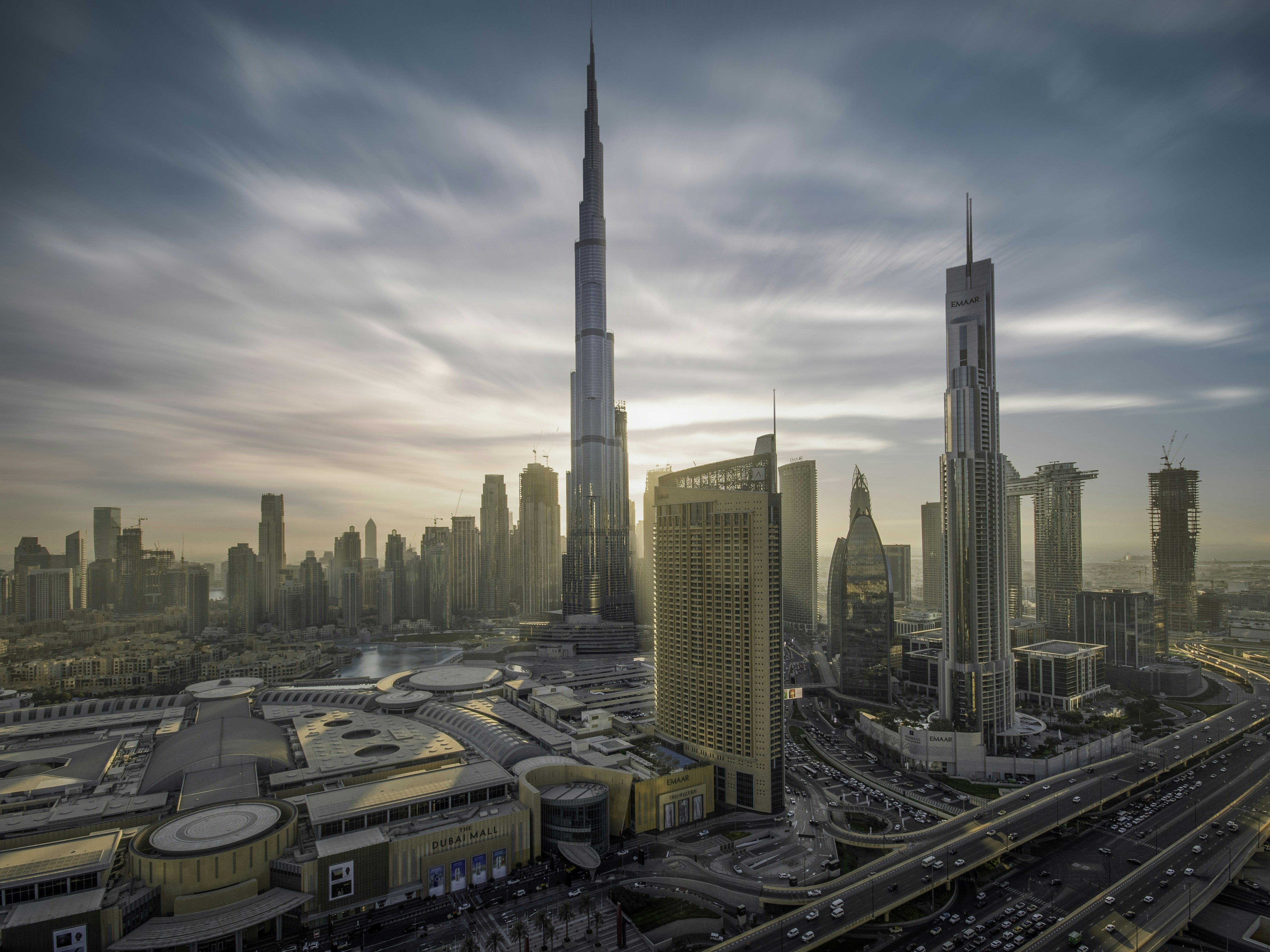
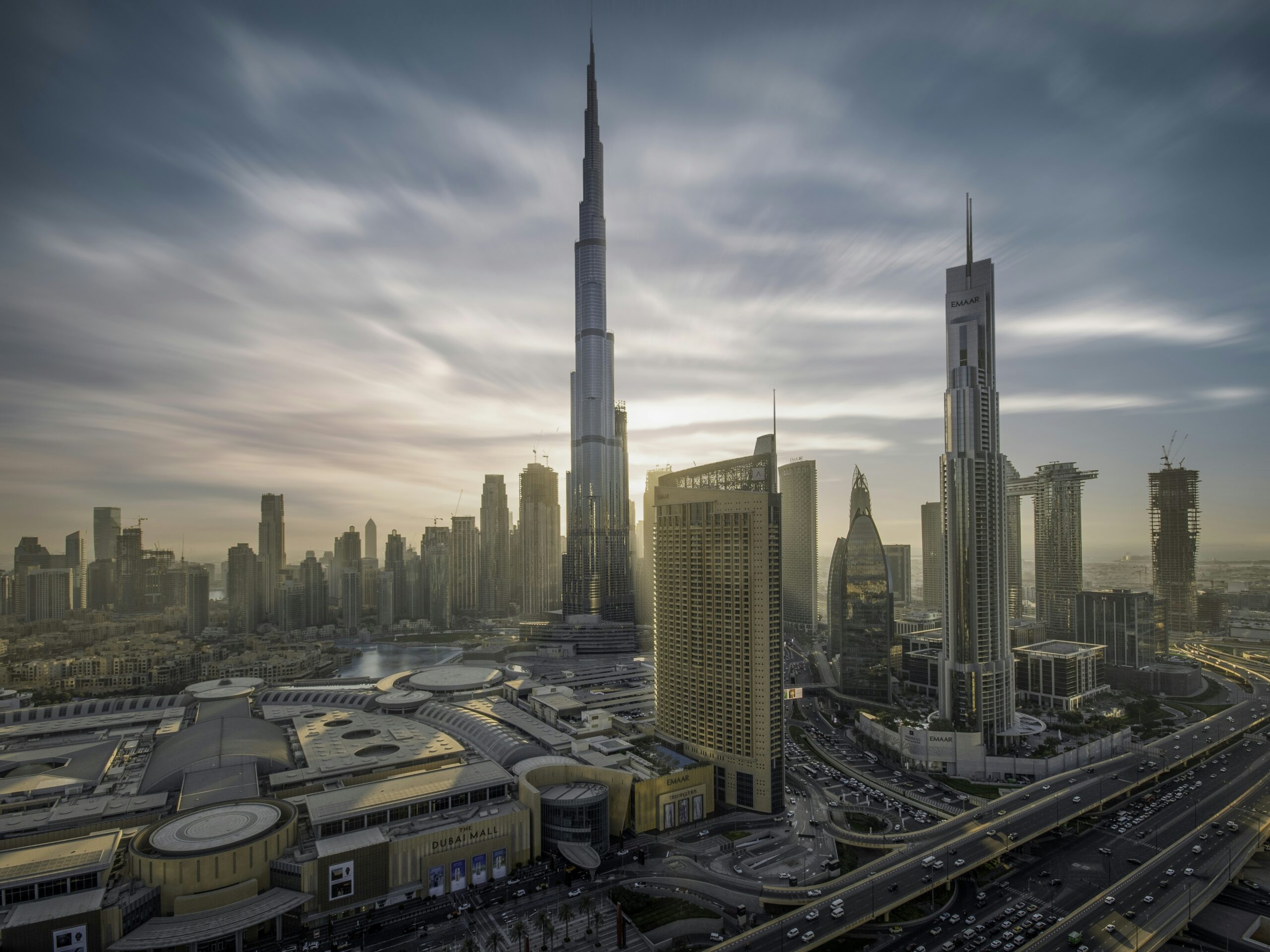
Another prominent area is Downtown Dubai, a hub for luxury and modern living. Home to iconic landmarks such as the Burj Khalifa and The Dubai Mall, this neighborhood offers unparalleled access to high-end shopping, fine dining, and cultural experiences. Renting in Downtown Dubai provides not just a residence but a lifestyle enriched with art, entertainment, and vibrant nightlife. The proximity to major business districts makes it especially attractive for professionals looking for convenience.
Jumeirah is also worth noting, known for its family-friendly environment and serene beachside lifestyle. It features a mix of both villas and apartments set against a backdrop of pristine beaches. This area is particularly popular among families due to its well-established schools, healthcare facilities, and recreational parks. Its tranquil atmosphere, combined with easy access to key areas of the city, makes it a highly desirable choice for renters seeking a balanced lifestyle.
In conclusion, Dubai’s real estate market is diverse, offering various neighborhoods that cater to different renter preferences. From vibrant urban living in Dubai Marina and Downtown Dubai to the family-oriented lifestyle in Jumeirah, each area presents unique advantages that contribute to their popularity among renters.
Types of Rental Properties Available
When exploring the rental market in Dubai, it is essential to understand the various types of properties available to cater to different preferences and budgets. The primary categories include apartments, villas, and townhouses, each offering a unique lifestyle experience.
Firstly, apartments are among the most sought-after rental options in Dubai. They range widely in size, from studio to multi-bedroom units, and are found in a variety of settings including luxury high-rises and more modest mid-rise buildings. Rental prices for apartments can start from approximately AED 30,000 for smaller units and can exceed AED 200,000 for premium spaces with stunning views and top-notch amenities. The demand for apartments is particularly high among expatriates and young professionals seeking convenience and a vibrant urban lifestyle.
Next, villas provide an alternative for those looking for more space and privacy. Often located in gated communities, villas typically feature larger living areas, private gardens, and parking spaces. Rental prices for villas can range from AED 70,000 for modest units in suburban areas to AED 500,000 or more for luxury properties in prime locations. The market demand for villas tends to attract families and individuals seeking a quieter environment with access to community facilities such as parks and schools.
Lastly, townhouses represent a hybrid between villas and apartments, offering the benefits of both. Townhouses are generally two or more stories and feature individual entrances while being part of a larger development. Pricing for townhouses may start around AED 80,000 and can go up to AED 400,000, depending on location and size. The rising market demand for townhouses often reflects a desire for more communal living experiences combined with the conveniences of private homes.
Tenant Rights and Regulations
In Dubai, tenants are afforded a range of rights and protections under the law that governs rental agreements. The primary legislative framework is outlined in the Dubai Tenancy Law, which stipulates the rights and obligations of both landlords and tenants, ensuring a balanced rental market. Understanding these regulations is crucial for safeguarding one’s interests as a tenant.
One of the first aspects outlined in the tenancy regulations is the security of tenure. Tenants in Dubai enjoy the right to reside in rented properties throughout the duration of the lease unless otherwise specified. Landlords cannot evict tenants without valid reasons, which are defined by law, and they must provide proper notice as set forth by the regulations. Usually, a notice period of at least 90 days is required for terminating a lease agreement, although exceptions may apply depending on circumstances.
Moreover, tenants are responsible for maintaining the property they occupy and are expected to handle minor repairs. However, the landlord is legally obligated to ensure that the property is habitable and to address major repairs and maintenance issues in a timely manner. This includes any problematic electrical or plumbing systems that might arise during the tenancy.
When signing a lease, tenants should be aware of the essential terms and conditions outlined in the contract. The lease should clearly state the rental amount, duration of the lease, renewal options, and the specifics regarding the security deposit, including its return conditions upon vacating the property. Fellow residents and new tenants are advised to request a copy of the Dubai Land Department’s rental contract, which helps in resolving potential disputes.
As the rental market evolves, it is imperative for tenants to stay informed about their rights and obligations to foster a fair and respectful landlord-tenant relationship.
Emerging Trends in the Rental Market
Dubai’s rental market is continually evolving, and several emerging trends are shaping its landscape. One significant development is the increasing popularity of co-living spaces. These shared living arrangements have attracted young professionals and digital nomads seeking affordable housing options without sacrificing community. Co-living not only offers competitive rental rates but also fosters social interactions, making it a desirable choice for many. This trend is particularly functional in urban environments like Dubai, where the fast-paced lifestyle often makes it challenging for individuals to find a sense of belonging.
Another noteworthy trend in the Dubai rental market is the integration of smart home technology. Landlords are recognizing the importance of modern amenities and are equipping their properties with smart devices. Home automation features, such as smart thermostats, security systems, and energy-efficient appliances, are becoming increasingly prevalent. As residents seek convenient and energy-efficient solutions, these technological advancements can enhance the overall rental experience while adding value to the properties.
Furthermore, the debate between long-term and short-term rentals is intensifying in Dubai. Short-term rentals, facilitated by platforms like Airbnb, offer flexibility and the potential for higher returns on investment for property owners. In contrast, long-term rentals provide stability and a consistent income stream. The demand fluctuates based on tourism cycles, economic factors, and legislative changes regarding rental regulations. Understanding these dynamics is crucial for investors and tenants alike to navigate the market effectively.
As these trends continue to unfold, they will undoubtedly shape the future rental market in Dubai. The emphasis on community living, technological integration, and the balance between rental types reflects the shifting preferences of residents and investors, who seek both convenience and adaptability in their rental commitments.
Future Outlook for Rental Trends in Dubai
The rental market in Dubai is poised for transformative changes in the coming years, influenced by various economic, demographic, and regulatory factors. The alignment of these elements will first and foremost depend on the broader economic forecasts. With global economic conditions fluctuating, Dubai’s rental market may also experience shifts as the local economy adjusts to new realities. If the economy thrives, this could lead to a rise in disposable income, thereby increasing demand for rental properties.
Additionally, expatriate demographics play a crucial role in shaping rental trends. Dubai has historically been a magnet for expatriates seeking lucrative job opportunities and a vibrant lifestyle. As new industries emerge and existing sectors evolve, the profile of professionals moving to Dubai may change, hence affecting the types of rental properties in demand. For instance, an influx of tech and finance professionals might increase the need for upscale and centrally located apartments, while families may seek larger homes in suburban areas.
Government regulations will also significantly impact the rental landscape. Recent legislative changes aimed at improving tenant rights and regulating rental prices may incentivize both landlords and tenants to adapt to a more structured rental environment. These regulations could lead to a stabilizing effect on rental prices, making properties more accessible for those seeking affordable housing in Dubai.
Expert predictions suggest a cautious yet optimistic outlook for the rental market. Market analysts forecast that while fluctuations may occur due to external economic pressures, the long-term outlook remains strong, driven by continuous investment in infrastructure and real estate development within the emirate. Consequently, understanding these factors will be essential for investors and renters alike to navigate the evolving rental landscape in Dubai effectively.
Top 10 Places to Visit in Dubai in 2026
Conclusion and Key Takeaways
As we navigate through the dynamic landscape of the rental market in Dubai, it is crucial to recognize the pivotal trends that are shaping the experience for both renters and landlords alike. Over the past few years, the city has witnessed notable fluctuations in rental prices and demand, influenced by various factors including economic conditions, population growth, and policy changes. Understanding these elements is essential for making informed decisions in real estate, whether one is looking to rent or invest.
The current rental trends highlight a shift towards more affordable housing options, reflecting the increasing diversity of the population in Dubai. There has been a significant rise in demand for budget-friendly accommodations, especially in emerging areas of the city. This trend suggests that landlords may need to adjust their strategies to attract tenants, potentially leading to more competitive pricing and flexible lease terms.
Additionally, the technology-driven evolution of the real estate sector cannot be overlooked. With the rise of online platforms and virtual tours, tenants now possess greater accessibility and transparency in their search for rental properties. This digital transformation is not just advantageous for renters; it also allows landlords to reach a broader audience, making the rental process more efficient.
In summary, staying informed about the current rental trends in Dubai is imperative for all stakeholders in the real estate market. By understanding the shifting demands and leveraging technology, both renters and landlords can adapt to the ever-evolving landscape effectively. As Dubai continues to grow and develop, the rental market will remain a vital area of focus for anyone involved in this sector.