

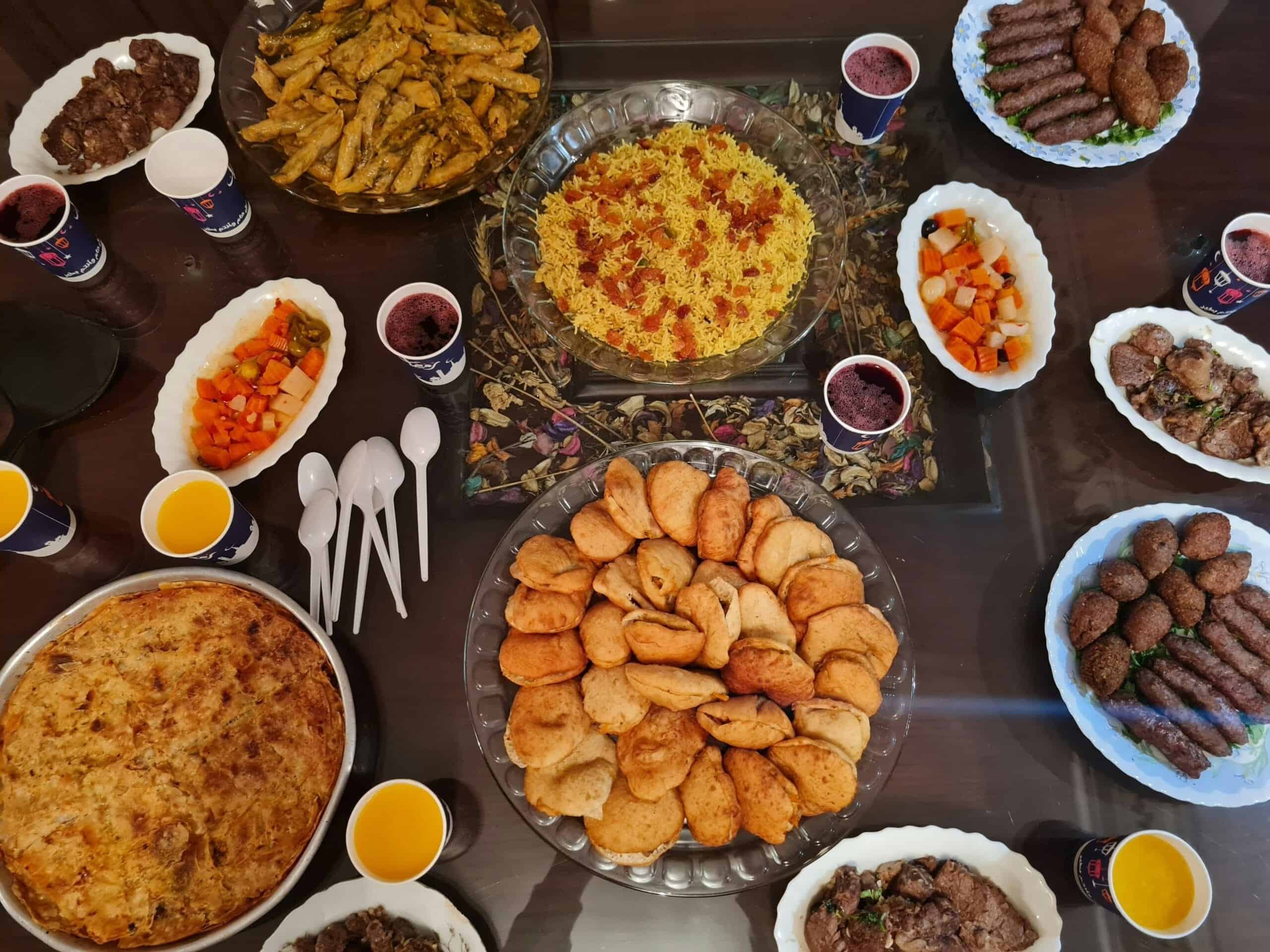
Dubai’s restaurant scene is dominated by Indian curries, Lebanese mezze, and international chains, which makes sense given that Emiratis comprise less than 10% of the population. But beneath the cosmopolitan surface lies a distinct Emirati cuisine — one shaped by Bedouin traditions, pearl-diving heritage, and trading routes that connected the Arabian Gulf to Persia, India, and East Africa. These dishes aren’t easy to find in tourist zones, but they’re worth seeking out for anyone wanting to understand the culture beyond the skyscrapers.
Machboos — The National Dish
If there’s one dish that defines Emirati home cooking, it’s machboos. This spiced rice preparation resembles biryani but predates the Indian influence, tracing back to Bedouin cooking methods. The rice is cooked with meat (chicken, lamb, or fish), tomatoes, and a spice blend called bezar — a mixture heavy on turmeric, coriander, cumin, and dried limes called loomi. The result is fragrant, golden rice with tender meat that falls off the bone. The fish version, samak machboos, uses hamour or kingfish and shows Dubai’s pearl-diving past when seafood sustained coastal communities. Try it at Al Fanar Restaurant or local Emirati homes during Ramadan iftar invitations.
Harees — Ancient Comfort Food
Harees looks deceptively simple: wheat and meat slow-cooked until they break down into a porridge-like consistency. But this dish connects directly to pre-oil Dubai, when pearl divers would prepare harees in large pots for communal meals during Ramadan. The wheat is soaked overnight, then cooked with meat for hours until everything melds into one creamy mixture, finished with a drizzle of ghee and cinnamon. It’s the ultimate comfort food — warming, filling, and deeply nostalgic for older Emiratis who remember eating it before air conditioning existed. Seven Sands and Aseelah serve respectable versions.
Luqaimat — The Sweet That Ends Every Gathering
These golden dough balls — crispy outside, fluffy inside, drenched in date syrup — appear at every Emirati celebration, from weddings to Eid gatherings to casual Friday family lunches. The dough is made from flour, yeast, and a pinch of saffron, then deep-fried and immediately coated in date molasses or honey. Fresh luqaimat should be warm, slightly chewy, and not overly sweet. You’ll find them at Logma café and sometimes at street vendors during Ramadan evenings, though homemade versions remain superior.
Balaleet — The Breakfast That Confuses Everyone
Sweet vermicelli noodles topped with a savory omelet sounds like a culinary mistake, but balaleet is Emirati breakfast tradition. The noodles are cooked with sugar, cardamom, saffron, and rose water until they’re sweet and aromatic, then served with a plain or slightly salted egg omelet on top. The sweet-savory combination is polarizing for first-timers but makes perfect sense once you understand it evolved from frugal cooking — using whatever was available in pearl-diving camps. Sikka Café in Al Fahidi serves it exactly as Emirati grandmothers make it.
Al Jabab/Khameer — The Bread of the Coast
Khameer is Emirati bread — slightly sweet, soft, and traditionally baked in underground ovens. The dough contains dates or date syrup, giving it a subtle sweetness that pairs perfectly with Emirati cheese (similar to cottage cheese) or date syrup for breakfast. Al Jabab is the thinner, crispier cousin, often served with local honey. These breads are harder to find commercially, but Al Khayma Heritage Restaurant in Dubai Heritage Village occasionally has fresh batches.
Where the Challenge Lies
Finding authentic Emirati food in Dubai requires effort. Most restaurants are Indian, Lebanese, or Filipino because that’s what the majority population wants. But that scarcity makes discovering proper machboos or harees more rewarding — you’re tasting the cuisine of the invisible minority who actually own this land.