

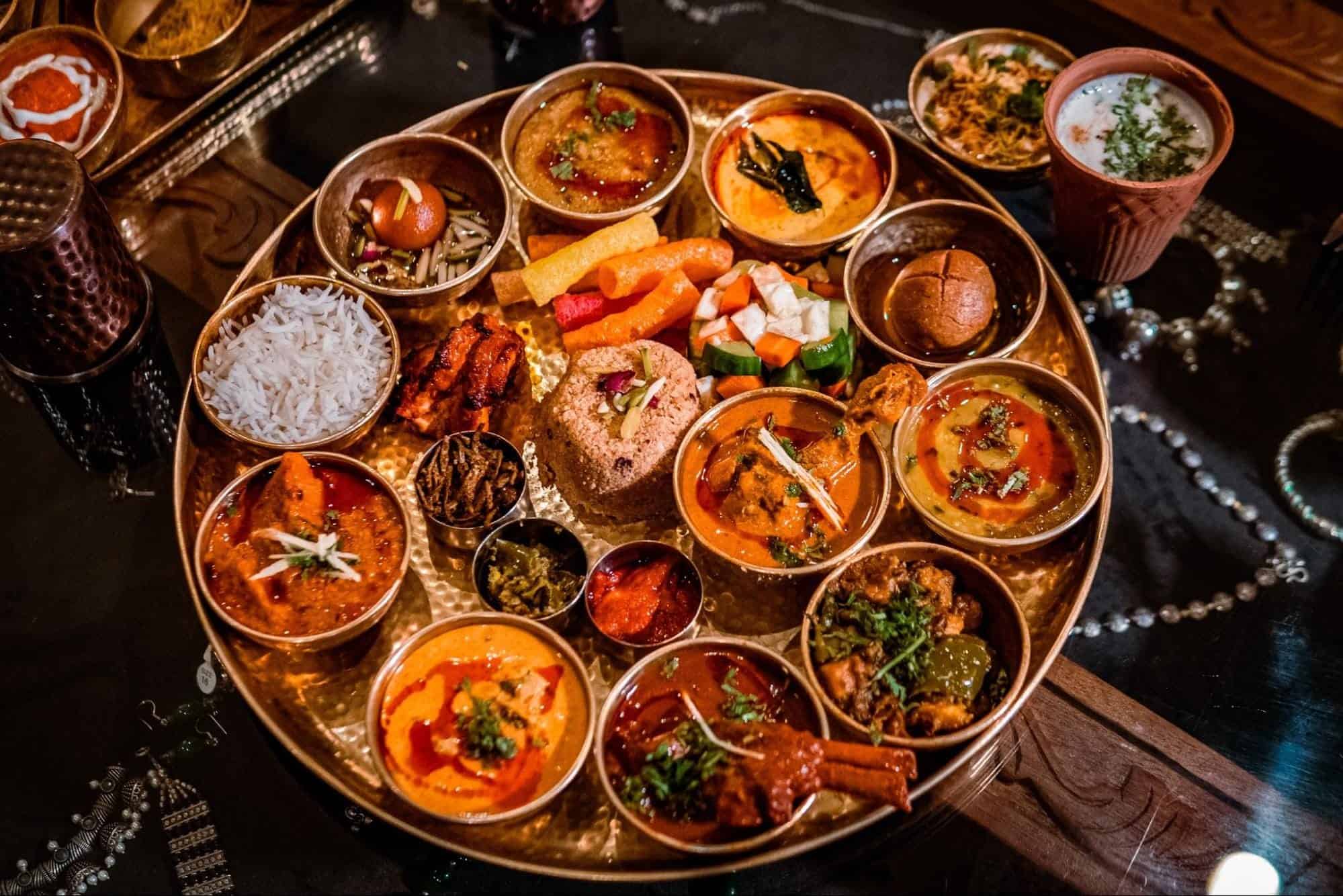
While Downtown Dubai gets the Michelin stars and Marina collects the Instagram crowd, Deira quietly remains Dubai’s most authentic food district. This is old Dubai — the side that existed before the Burj Khalifa, before the Palm, before Dubai became synonymous with luxury. Here, Pakistani laborers, Indian families, Filipino expats, and Emirati locals converge over steaming plates of biryani, fresh parathas, and street-side chai. If you want to understand Dubai’s real food culture, Deira is where that education begins.
Why Deira Became Dubai’s Food Hub
Deira’s food supremacy isn’t accidental. This was Dubai’s original commercial district, where traders from Iran, India, Pakistan, and East Africa established businesses in the 1960s and 70s. These communities brought their cuisines, and unlike the transient expat population in newer Dubai, many families stayed for generations. The result is restaurants that have been perfecting recipes for 30-40 years, not chasing trends but serving what their grandfathers served.
The Breakfast Circuit: Where Locals Start Their Day
Morning in Deira means paratha and chai. Head to Al Rigga Road before 9 AM, and you’ll find small Pakistani and Indian cafeterias serving fresh parathas — flaky, buttery flatbreads paired with spicy chickpea curry or scrambled eggs. Ashwaq Cafeteria and Pak Liyari Hotel are local favorites, where breakfast costs 8-12 AED and comes with enough chai refills to fuel your entire morning. The Emirati contingent prefers balaleet and khameer bread at smaller Arabic cafeterias scattered through the souks.
Lunchtime Biryani Wars
Between noon and 2 PM, Deira transforms into biryani central. The undisputed heavyweight is Arabian Tea House Restaurant in Al Fahidi (technically Bur Dubai but close enough), but purists argue the real action is at Calicut Notebook in Al Rigga or Pak Liyari’s legendary mutton biryani. Each restaurant has fierce loyalists who will debate rice grain length, spice balance, and meat tenderness with religious fervor. Expect to pay 25-35 AED for a plate that could easily feed two people. The move is to order half-and-half: half chicken, half mutton.
The Best Street Food Spots in Dubai That Locals Actually Eat At
Deira’s Hidden Iranian Quarter
Tucked near the Gold Souk, a cluster of Iranian restaurants serves some of Dubai’s best kebabs and stews. Shahrzad Restaurant has been operating since 1977, serving proper Persian chelo kebab — saffron rice with charcoal-grilled meat that melts on contact. The tahdig (crispy rice bottom) is coveted, and regulars know to request it specifically. Nearby, Sadaf Restaurant offers fesenjan (pomegranate walnut stew) that Iranian expats compare favorably to what they’d find in Tehran. Budget 40-50 AED per person.
Street-Level Snacking: The Real Deira Experience
Between the established restaurants, Deira’s streets pulse with snack vendors. The samosa wallahs near Naif Souk sell crispy triangles for 1 AED each. Fresh sugarcane juice stands charge 5 AED for a cup squeezed while you wait. The shawarma joints — Al Reef Lebanese Bakery is the local favorite — stay open until 3 AM, feeding late-shift workers and insomniacs. This isn’t curated street food; it’s functional, honest, and rooted in feeding working people affordably.
Navigation Tips: Getting Around Food Deira
Deira isn’t walkable in summer heat, but the Metro makes it accessible. Al Rigga, Union, and Baniyas Square stations put you within striking distance of most food zones. Alternatively, taxis are cheap, and most drivers know these restaurants by name. Unlike trendy Dubai spots, reservations aren’t needed — just show up, find a table, and point at what looks good.