

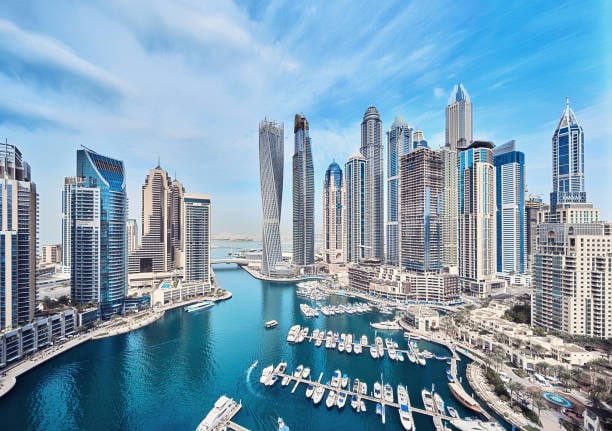
Dubai’s real estate market has captured the attention of investors worldwide, and it is not difficult to see why. The city’s rapidly growing economy serves as a robust foundation for real estate investment, fostering an environment ripe for opportunities. With a Gross Domestic Product (GDP) that continues to see positive growth, Dubai’s diversification into sectors such as tourism, trade, logistics, and technology ensures a dynamic economic landscape, making it an attractive locale for property buyers.
Moreover, one of the most appealing aspects of purchasing property in Dubai is the tax benefits available to investors. The absence of property taxes and low transaction fees means that property investors can retain a greater portion of their investment returns. This tax-friendly environment has attracted a plethora of foreign buyers seeking lucrative opportunities in a city known for its luxury and lifestyle appeal.
In addition to economic incentives, Dubai boasts world-class infrastructure that further enhances its property market appeal. The city is continually investing in its infrastructure, including expansive road networks, reliable public transport systems, and modern amenities that cater to a high standard of living. Developments such as the Dubai Metro have significantly improved accessibility, making it easier for residents and investors to traverse the urban landscape.
Furthermore, the unique blend of culture, luxury, and modernity sets Dubai apart from other international property markets. The city is a melting pot of cultures, characterized by its vibrant arts scene, exceptional dining experiences, and grand shopping malls. Such attributes attract expatriates and tourists, creating a demand for residential and commercial properties. The luxurious lifestyle and modern facilities are key drawcards for those looking to invest in Dubai’s real estate market.
In summary, the combination of a booming economy, appealing tax benefits, advanced infrastructure, and dynamic lifestyle factors makes Dubai an exceptionally compelling option for real estate investment. These elements contribute significantly to its reputation as a prime destination for property buyers seeking both luxury and value.
Market Trends and Property Values in Dubai
Dubai’s real estate market has demonstrated significant growth and resilience, particularly in recent years, cementing its status as a premier destination for property investors. A variety of factors contribute to the current market trends, including demographic shifts, economic recovery post-pandemic, and evolving buyer preferences.
Recent reports indicate a noticeable upward trend in property values across various sectors, especially in luxury and high-end residential properties. According to industry data, property prices in Dubai have seen a significant increase, with certain areas experiencing price growth of up to 20% year-on-year. This appreciation is mainly driven by a surge in demand from both local and foreign investors, seeking stable investments in a transparent and dynamic market.
Additionally, certain neighborhoods within Dubai are gaining traction among buyers and investors. Areas such as Downtown Dubai, Dubai Marina, and Jumeirah continue to attract high levels of interest due to their prime locations and amenities. Emerging neighborhoods like Dubai Creek Harbour and Palm Jumeirah are also witnessing increasing popularity, with their unique offerings and potential for future appreciation.
Looking at historical data, the trends in Dubai’s real estate sector reflect a pattern of recovery following downturns, typically followed by growth phases. The current market is projected to maintain its trajectory, driven by infrastructure developments, a robust tourism sector, and government initiatives aimed at attracting foreign investment. Analysts anticipate a sustained demand for properties, especially as Expo 2020 has showcased Dubai’s potential on a global stage.
In summary, the combination of rising property values, increasing demand, and the emergence of popular neighborhoods suggests that buying property in Dubai can yield a favorable return on investment. Investors considering this market can expect continued growth, making it a potentially lucrative opportunity.
Legal Considerations for Foreign Investors
The legal landscape for foreign property buyers in Dubai is characterized by a blend of regulations designed to facilitate investment while ensuring compliance with local laws. One of the most significant aspects is the ownership structure applicable to non-UAE nationals. Foreign investors are permitted to buy freehold properties in designated areas, often referred to as “freehold zones,” which provides full ownership rights. However, it is essential to note that ownership restrictions do exist in certain locations where only leasehold agreements are available.
Understanding the purchasing process is critical for any foreign investor. The journey typically begins with securing a property through a real estate agent, followed by the signing of a Memorandum of Understanding (MoU). This legal document outlines the purchase agreement, laying the groundwork for the transfer of ownership. Subsequent steps involve obtaining approval from the Dubai Land Department (DLD), where the property is registered and fees are paid. These regulations ensure property rights are maintained, offering security to both domestic and international investors.
In addition to ownership and the purchasing process, foreign investors should also be aware of the financial implications, including registration fees, developer charges, and potential property taxes. Hiring a professional legal advisor is crucial to navigate the complexities of Dubai’s property laws, particularly for investors unfamiliar with the UAE’s legal system. A knowledgeable attorney can provide valuable insights into the implications of local laws, ensuring compliance and minimizing risks. Overall, careful consideration of these legal matters is imperative for foreign investors contemplating purchasing property in Dubai, as understanding the regulations can significantly enhance investment security.
Potential Risks and Rewards of Property Investment in Dubai
Investing in property in Dubai presents both significant rewards and noteworthy risks. Understanding these elements is essential for prospective buyers making informed decisions. One of the foremost risks associated with property investment in Dubai is market volatility. The real estate market is subject to fluctuations influenced by various factors such as economic conditions, regulatory changes, and global trends. For instance, during times of economic downturn, property prices may experience a decline, impacting investors adversely.
Moreover, fluctuations in currency exchange rates can further complicate investment outcomes for international buyers. This risk underscores the importance of conducting thorough market research and economic analysis before committing to a purchase.
Despite the inherent risks, the rewards of buying property in Dubai can be substantial. One of the most appealing aspects of property investment in Dubai is the potential for capital appreciation. Over the years, Dubai’s real estate market has demonstrated remarkable growth, often yielding returns that outpace many other global markets. Investors can benefit not only from the increase in property value but also from rental income, particularly in areas experiencing high demand due to tourism and expatriate population growth.
Furthermore, investors may find lifestyle advantages in owning property in this vibrant city. Dubai offers a cosmopolitan lifestyle, modern amenities, and a favorable climate, making it a desirable location for both residents and tourists. These factors contribute to a robust rental market, providing property owners with consistent income.
In conclusion, while buying property in Dubai carries risks related to market fluctuations and economic conditions, the potential rewards, including capital appreciation and rental income, make it an attractive option for many investors. Careful consideration and strategic planning are essential for maximizing benefits while mitigating risks in this dynamic property landscape.